
AI recruiting platform for staffing firms and hiring teams. It had no Google impressions when it joined in July 2026.
2,996 Google impressions
27 Oct to 23 Nov 2026
How the recruitment page plays out
B2B SEO
Before anyone talks to sales, a buyer has searched the problem, the options, the fit, the shortlist and the fine print, and asked an AI assistant at every step. RankMesh maps a page to each step, keeps LinkedIn and the blog feeding each other, and shows which page a lead came through.
Written by Saurabh Jha, SEO Strategy. Reviewed by Aman Kumar Jha, AI Search & GEO. Last reviewed .
Five stages, from the first itch to the signed contract. For each one: what the buyer types into Google, what they ask an AI assistant, and the page that should answer. Example phrasings for a lead management tool; RankMesh builds the same map from your own keywords and AI prompts.
Problem
One person notices a pain
Types into Google
why do our sales reps miss follow-ups
Asks AI
“How do teams stop leads going cold?”
Educational post on the problem
Options
They look for kinds of solution
Types into Google
lead management software for small sales teams
Asks AI
“What tools help a 10-person sales team track leads?”
Use-case page for that team and job
Fit
They check it fits their world
Types into Google
lead management software for real estate
Asks AI
“Which CRM works for real estate brokers in India?”
Industry page with a real example
Shortlist
A committee compares three names
Types into Google
[tool a] vs [tool b], [tool a] alternative
Asks AI
“Compare the best lead scoring tools for B2B”
Comparison and alternative pages
Decision
Finance, IT and the boss sign off
Types into Google
[your brand] pricing, [your brand] integrations, [your brand] security
Asks AI
“Is [your brand] safe and what does it integrate with?”
Pricing, integration and trust pages
The shortlist stage decides most B2B deals, and it is the stage most companies leave to others. A competitor’s “us vs them” page or an affiliate listicle becomes the buyer’s reference. RankMesh drafts your own comparison and alternative pages, with five rules that keep them fair and keep them ranking.
B2B buyers spend time on LinkedIn long before they search. Each article feeds a few posts; the questions those posts draw feed the next articles. One piece of work, two channels, and every post links back to a page that can rank.
Live today
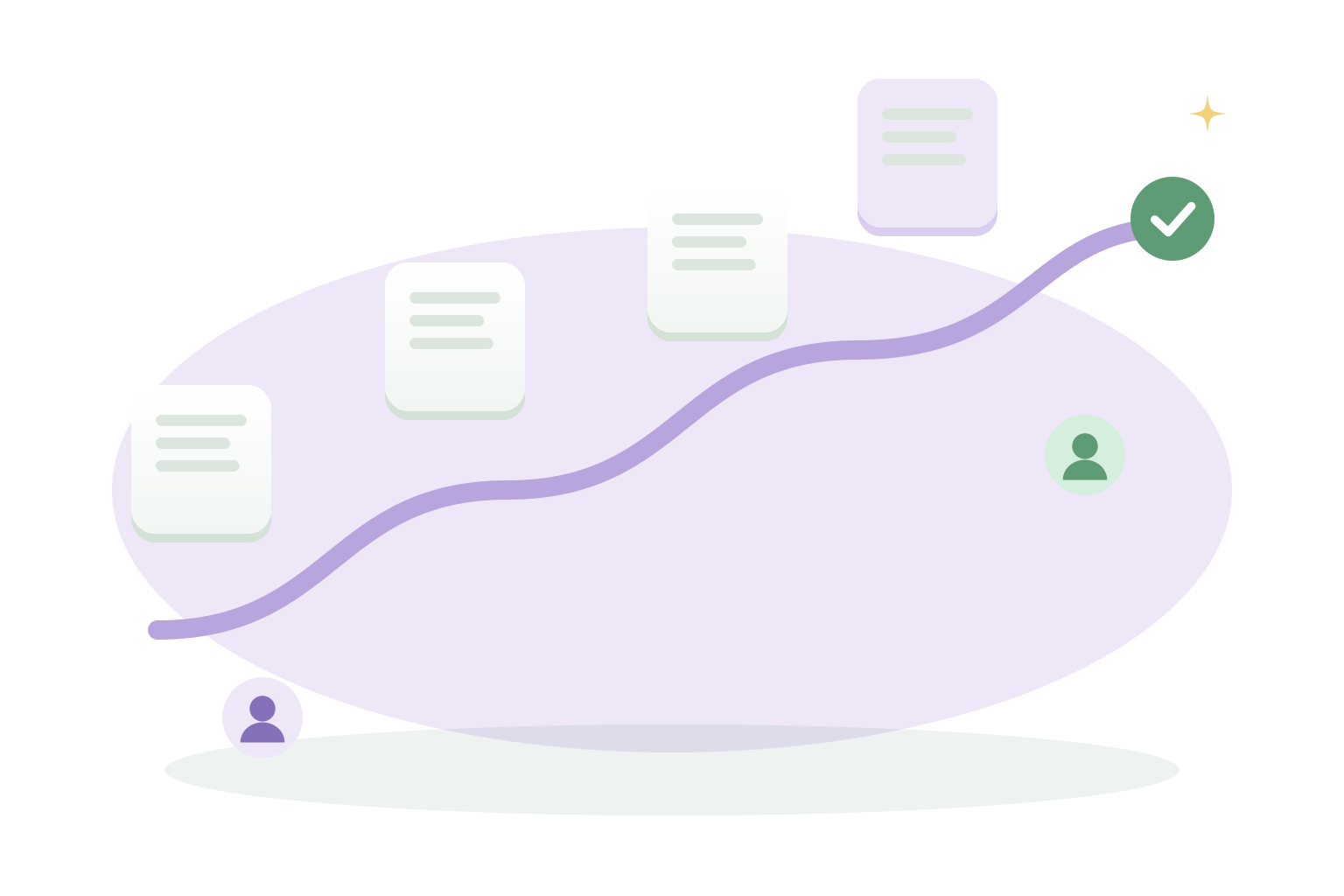
Every enquiry, with where it came from
Form and chatbot enquiries land in one list with the page and source that brought them, ready to sync to your CRM. A website chatbot answers technical buyers from your own content at any hour.
Attribution Thread Coming soon
Work linked to results
A timeline that ties each article, fix and post to the ranking and traffic changes that followed it, so budget conversations start from evidence.
Numbers read from the RankMesh panel on 26 Nov 2026. One shows a result, the other shows the size of the work, because it is too early for a fair growth figure.
AI recruiting platform for staffing firms and hiring teams. It had no Google impressions when it joined in July 2026.
2,996 Google impressions
27 Oct to 23 Nov 2026
How the recruitment page plays out
Software development and tech consulting for clients in India, Singapore, Europe and the UAE. Work numbers, not a growth claim:
By measuring the steps that happen before the deal, not only the deal. Even a referred buyer searches you, reads your pricing and integration pages, compares you with the tool their colleague mentioned and, more and more, asks an AI assistant what it thinks. Each of those is a moment where a weak page loses the deal quietly.
So the first numbers to watch are leading ones: impressions and positions for searches at each stage of the cycle, whether AI assistants name you when asked for a shortlist, and which page a lead came through when they got in touch. RankMesh reports those weekly. Revenue attribution comes later, once enough deals have gone through, and it should be read as a pattern, not a single cause.
They are worth it if they are fair. Buyers on a shortlist search exactly these phrases, and if you do not have a page, the comparison they read is one written by your competitor or by an affiliate site. A fair page follows the rules in the list above: it says who the other product suits better, compares checkable facts, links to sources and carries a date. RankMesh drafts these from your product facts and the competitor’s public pages, and every claim waits for your approval. The comparisons on our own site, listed here, follow the same rules.
You need a page where you have something different to say. Google’s spam policies on scaled content abuse target many near-identical pages that swap one word. Five industry pages that each show a real workflow, a real integration and a real example are fine. Fifty pages that change only the industry name are not.
RankMesh starts with the industries and use cases that bring real searches and real deals. The content planner gives each page one main keyword and checks new topics against what you already cover, so it skips a page that would only repeat another. You can see how we apply this to our own industry pages.
RankMesh lead capture collects every form and chatbot enquiry in one list with where it came from, so you can see that a lead arrived through, say, a comparison page from Google, and sync it to your CRM. The fuller view, a timeline that ties each piece of work to the ranking and traffic changes that followed, is the Attribution Thread, which is coming soon.
Plan fit: a B2B team with a marketer who can approve drafts and LinkedIn posts each week runs Self-Serve. Teams that want comparison pages, industry pages and website work handled end to end pick Managed, with unlimited content and a RankMesh account manager. Larger teams with several sites or approval chains can look at Enterprise. All plans are on the pricing page.
B2B SEO FAQ
No. It fits any B2B company with a considered purchase: software, IT services, manufacturing, staffing, consulting. The SaaS page goes deeper on software.
Yes. Posts are drafted in the voice you choose and published to the LinkedIn profile or page you connect, after approval.
No. Comparison pages are drafted from public facts and wait in the review queue like everything else.
ChatGPT, Gemini, Perplexity, Claude and Google AI Overviews today. Grok and Microsoft Copilot are coming soon.
A free report shows how your site reads to Google and to AI assistants today.
Get my free report